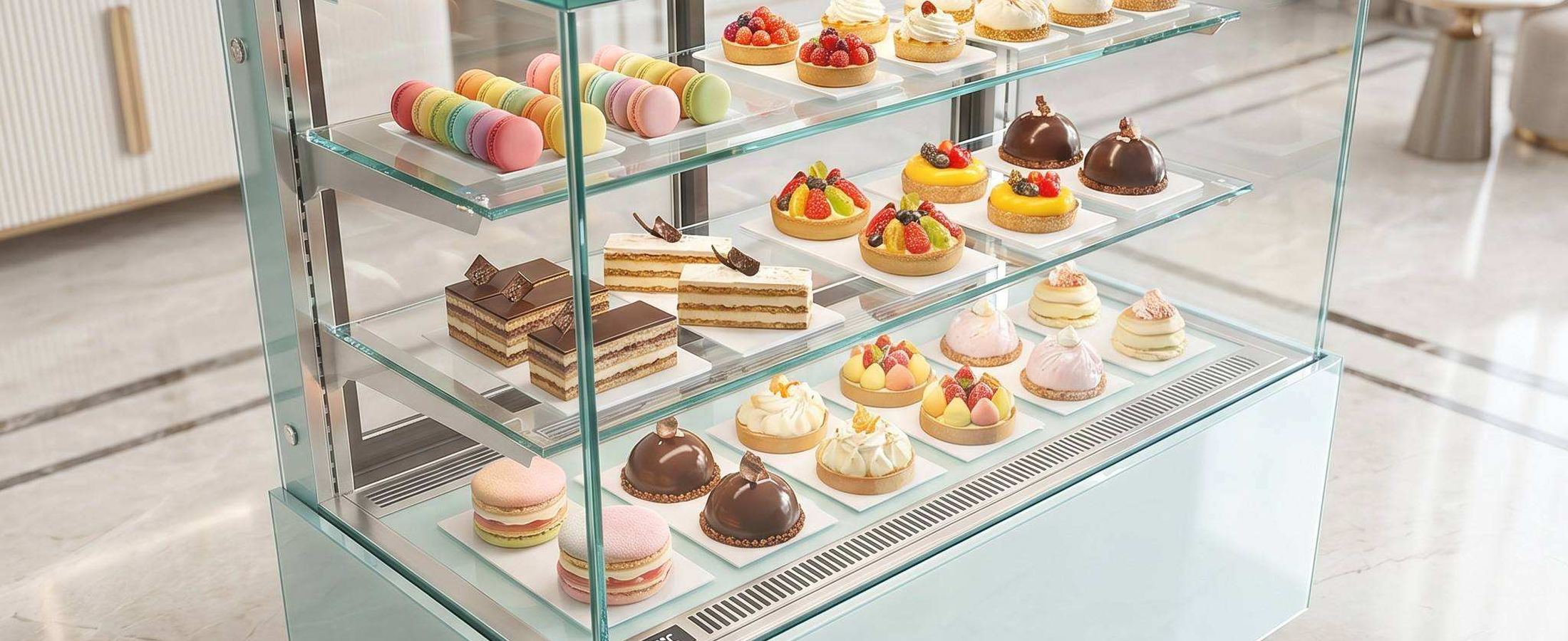
Customisation is normal practice rather than an exception: a different width, a brand colour, a shelf layout, a voltage — as long as the request is producible, it is a drawing change.
Each is confirmed on the drawing before material is cut, so there is no gap between what you approve and what is built.
Logo on the canopy light box, door frame, base panel or packaging. Print artwork produced for approval before production.
Widths and heights adjusted to fit an existing shop layout or a standard container loading plan.
Body, frame and trim matched to a sample, a RAL reference or your brand guideline.
220–240 V / 50 Hz, 110–120 V / 60 Hz and other configurations, with the plug standard used in the destination market.
Chiller or freezer builds, alternative thermostats, digital or mechanical control, defrost configuration.
Wire or solid shelves, shelf count and spacing, basket layouts for islands, bucket shelving for flower coolers, pan layouts for scoop displays.
Standard export packing, or buyer-specific carton printing, pallet marking and mixed-model loading plans.
Refrigerant and charge stated on the quotation so you can check local regulation before the container ships.
Commercial invoice, packing list, bill of lading, certificate of origin (CO / FORM A / E) and product certificates as required.
Where a buyer needs something outside the current range, we work from a specification or a reference sample, produce a drawing, and build a prototype for approval before committing to a production run.
Application, temperature band, capacity, dimensions, finish and any regulatory requirement.
A dimensioned drawing issued for your comment — nothing is cut at this stage.
A pre-production unit built and run-tested, photographed for your approval.
Released only after written approval of the prototype.
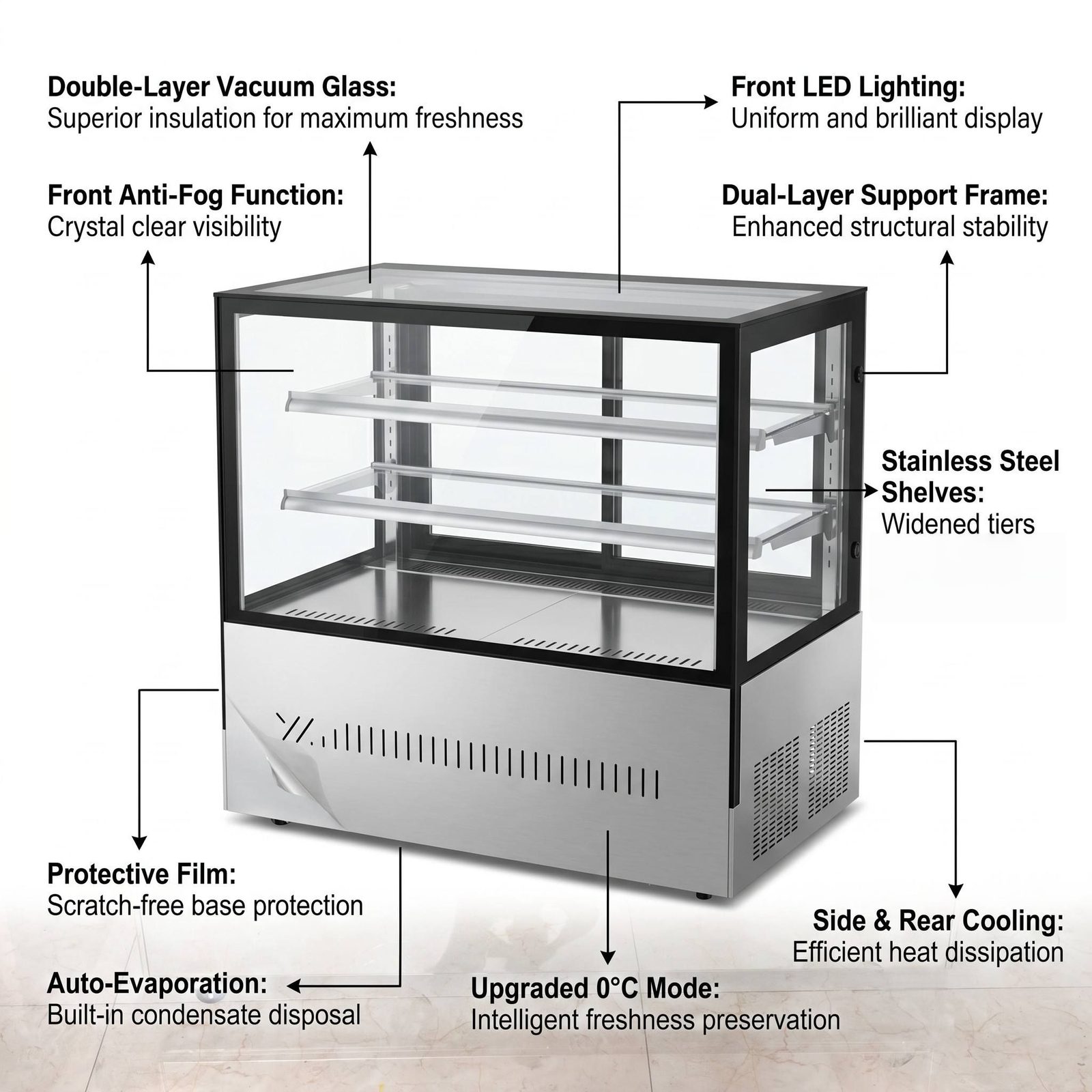
Canopy artwork, colour references and shelf layouts are turned into a print file and a drawing package for your written approval. That package is what production works to — and what we check the finished unit against.
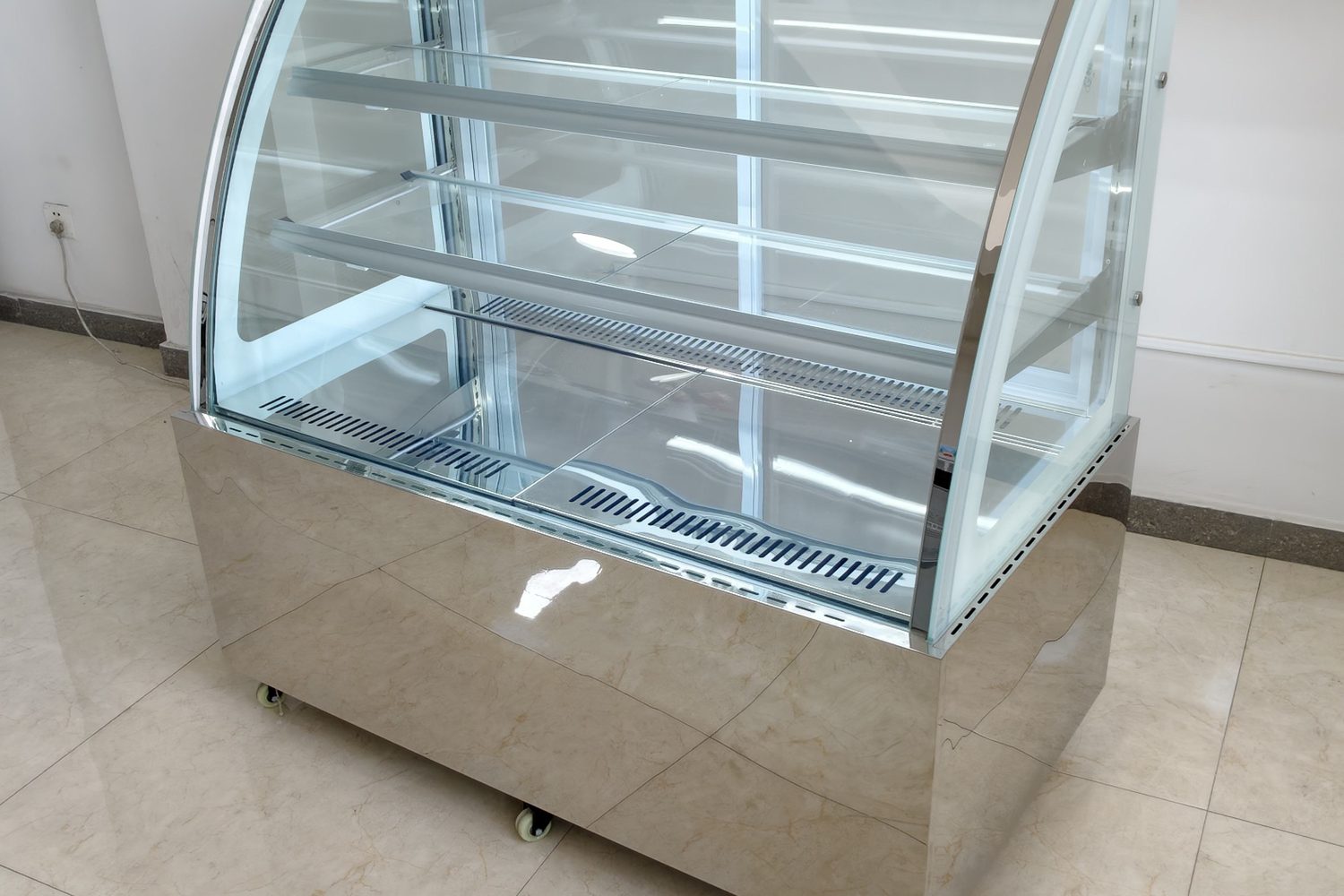
We will tell you what is producible as specified, what needs a change, and what it does to the lead time — before you commit to a container.